
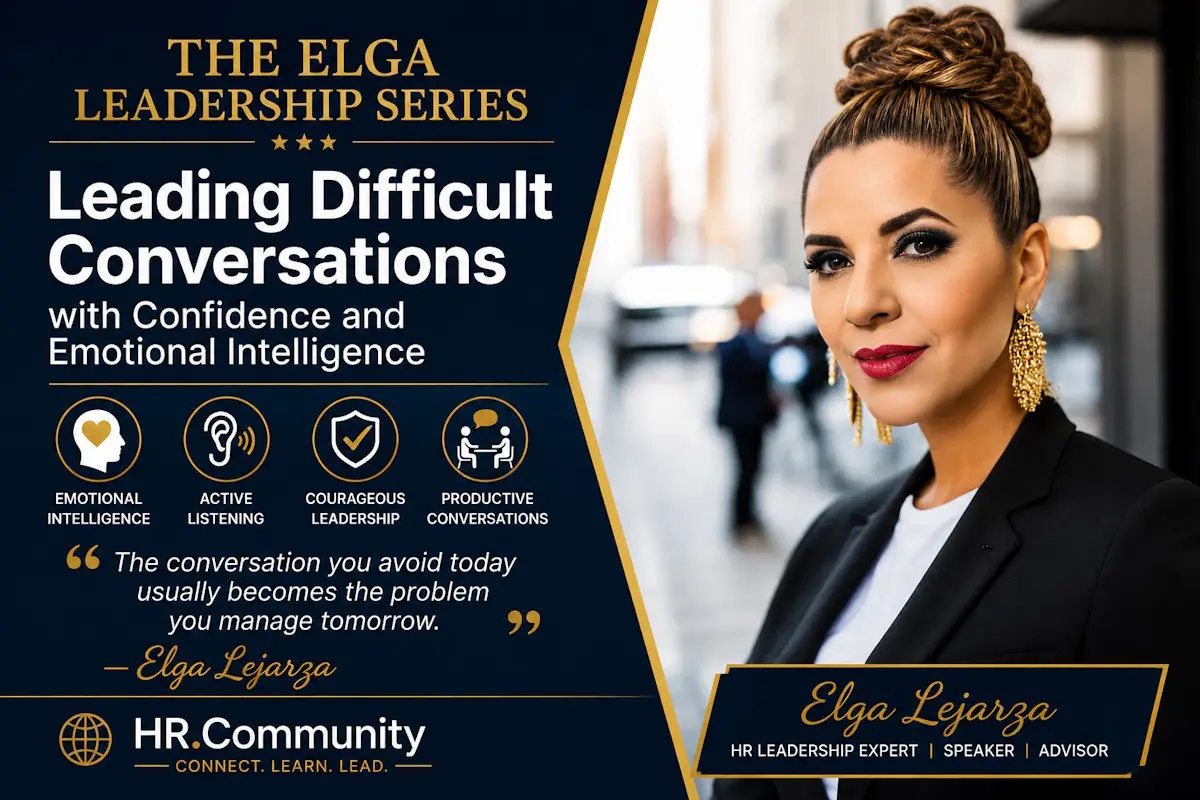
1 Hour Webinar
Why Leaders Fail Without Civility and Respect in the Workplace
Coaching is one of the most critical behaviors of an effective leader. Yet, many managers approach coaching conversations in ways that create employee defensiveness. These poor communication methods quickly damage trust and discourage workforce growth. Great leadership requires much more than simply correcting staff mistakes. Instead, it requires genuine curiosity, high emotional intelligence, and mutual appreciation. True organizational transformation begins when you embed Civility and Respect in the Workplace into every single manager-employee interaction.
When daily coaching sessions lack basic respect, employees shut down. They become highly resistant to critical performance feedback. As a result, valuable development opportunities are lost, and company morale plummets. Therefore, organizations must train their leaders to balance firm performance standards with authentic empathy. This proactive approach helps build an inviting environment. Consequently, individuals feel safe to learn, fail, and ultimately excel.
Core Frameworks for Civility and Respect in the Workplace
In this upcoming webinar, participants will learn how to coach employees with deep sensitivity. At the same time, leaders will discover how to maintain high accountability. We will explore practical coaching strategies rooted in active listening.
Furthermore, you will discover constructive questioning techniques. Managers can use these proven methods to reduce friction and build professional relationships. We will also share actionable methods for addressing toxic behaviors directly. Consequently, leaders can shut down microaggressions before they destroy team harmony.
Tangible Outcomes for High-Performing Teams
Participants will leave with a clear roadmap to reduce defensiveness. You will learn to run meaningful performance sessions that strengthen employee commitment. These constructive dialogue habits will immediately drive improved talent retention.
Whether you are an HR professional, a manager, or an executive leader, you will leave with practical tools. These resources will immediately improve the way you guide and develop your workforce. By prioritizing these daily habits, you will cultivate a healthier corporate culture that sustains business growth.