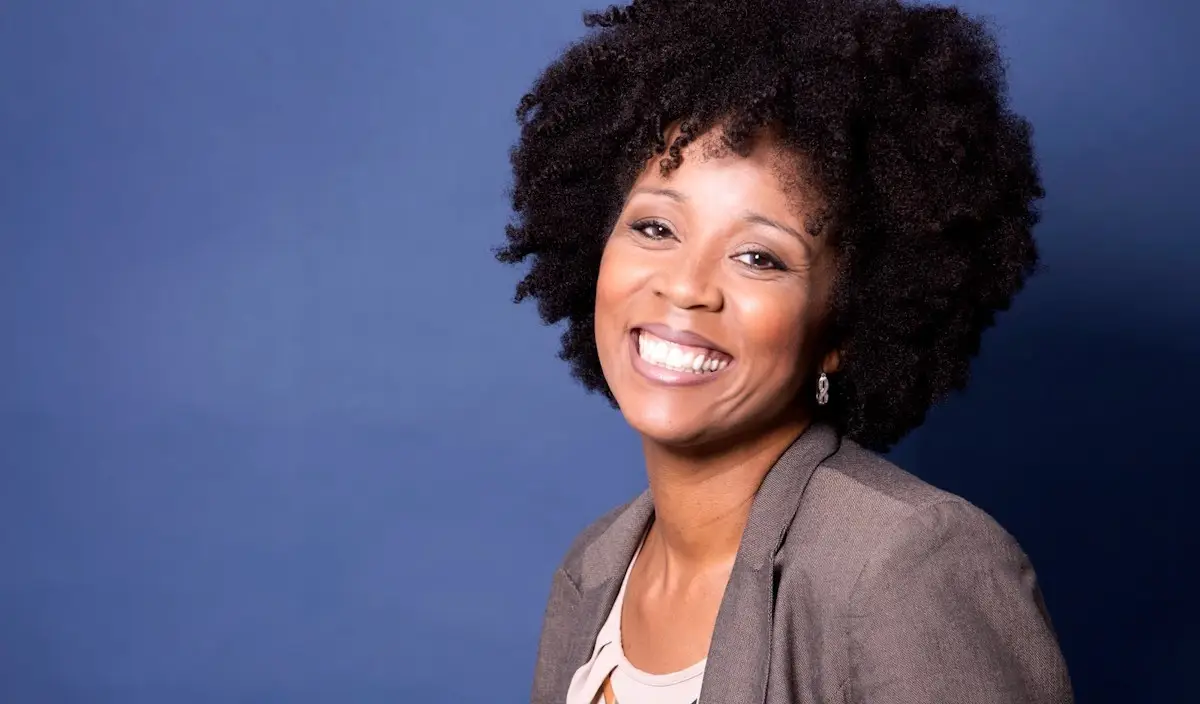
Despite decades of DEI conversations, racial bias in hiring remains deeply embedded, especially at mid career and senior leadership levels. Black women continue to face disproportionate barriers long before interviews even begin. They are less likely to be actively recruited for leadership roles, more likely to have their competence questioned, and more frequently evaluated on vague concepts like “fit” rather than measurable qualifications. Many are expected to prove themselves repeatedly in ways others are not. When organizations say they “could not find the right candidate,” Black women are often filtered out quietly and early.
Gender bias does not fade with experience. It intensifies. As women move past 50, the narrative around them shifts in damaging ways. They are more likely to be labeled as less adaptable, less tech savvy, less energetic, or less future focused. Meanwhile, men of the same age are described as seasoned, strategic, or trusted leaders. This double standard is well documented, yet rarely challenged in hiring rooms or succession planning conversations.
Age bias is one of the most difficult forms of discrimination to prove and one of the easiest to rationalize away. It shows up in coded language like “high potential,” salary bands that do not align with experience, roles intentionally scoped to exclude depth, assumptions about retirement timelines, and concerns about cultural fit with younger teams. For Black women over 50, age bias often becomes the final filter after race and gender have already narrowed opportunities.
These biases do not operate independently. They reinforce one another. A Black woman over 50 is frequently seen as too experienced but not promotable, viewed as a risk rather than an asset, penalized for assertiveness, overlooked for leadership while still expected to mentor others, laid off earlier, and rehired last. During economic shifts, this group is often the first out and the last back in.
Many organizations believe they have made progress because they hired younger women, hired younger people of color, or improved entry level diversity. But intersectional equity is where systems quietly fail. DEI efforts often stop exactly where power, age, and compensation intersect. That is precisely where Black women over 50 reside.
This is not just a social issue. It is an HR accountability issue. Leaders must ask whether screening tools are eliminating experienced Black women, whether AI systems are trained on biased historical data, whether leadership roles are subtly age coded, whether layoffs disproportionately impact this group, and whether rehire pipelines are truly equitable. Silence in these moments is not neutrality. It is reinforcement.
When organizations exclude Black women over 50, they lose crisis tested leadership, emotional intelligence, institutional memory, ethical judgment, mentorship capacity, and stability during uncertainty. At a time when companies say they need resilience and wisdom, they are systematically discarding the very professionals who bring both.
The truth that needs to be said out loud is this. This is not about lack of skills. This is not about outdated resumes. This is not about resistance to change. This is about who organizations are willing to see as valuable. Until hiring systems, leadership pipelines, and HR practices confront this trifecta honestly, the cycle will continue.
If this resonates, pause and reflect. Ask harder questions about how experience, race, and age are evaluated in your organization. Then use your voice, your role, and your influence to interrupt the cycle rather than quietly reinforce it.
Elga Lejarza
Founder & CEO
HRTrainingClasses.com
HR.Community